

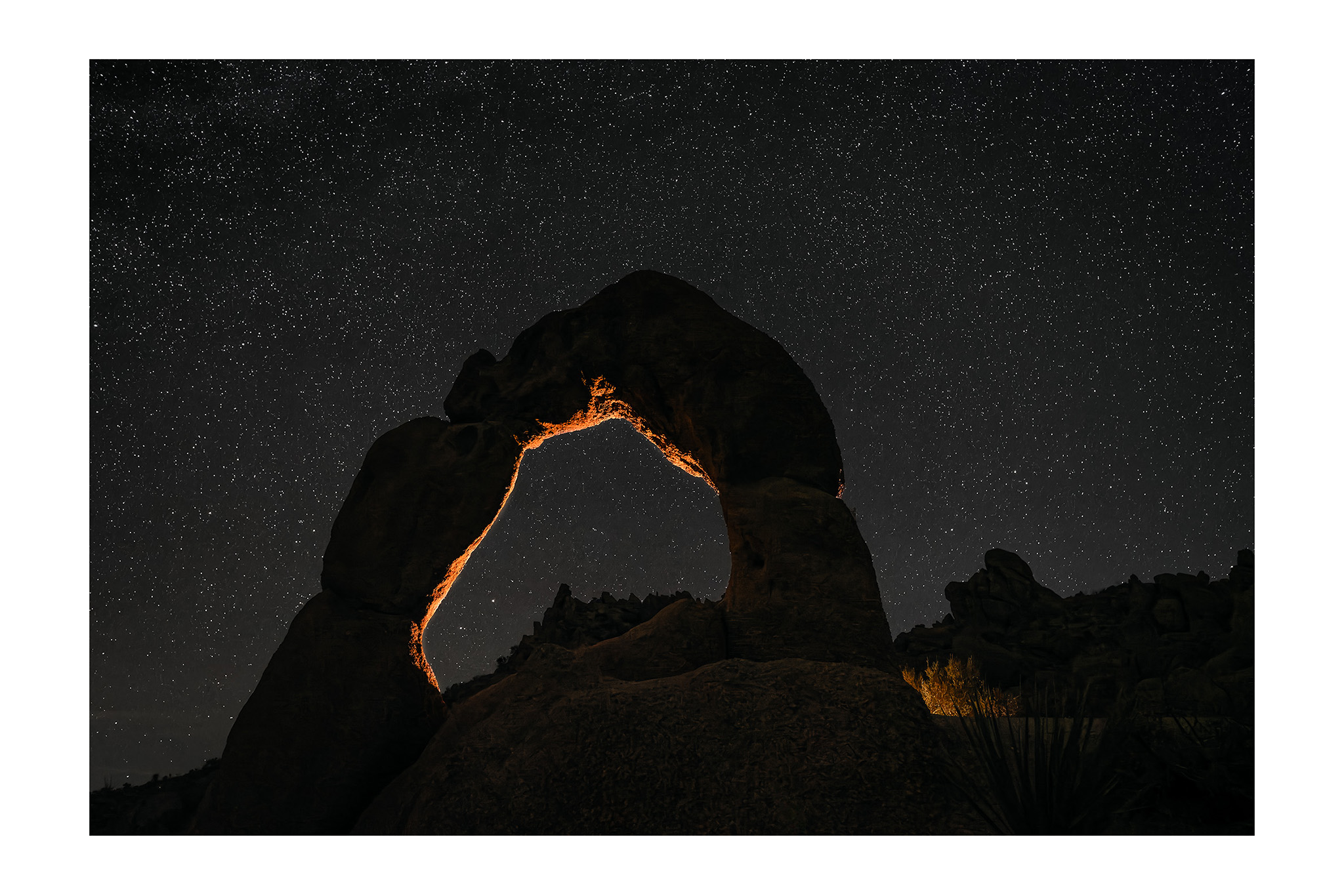
We’re fortunate to have some incredibly dark skies here in the Southwest, but you won’t find them in Phoenix or Vegas or Albuquerque.
And as our cities continue to grow and make more light pollution, our dark sky areas shrink.
Its just one of the reasons why our species needs to figure out how to sustain instead of growing at all costs.
In North America today, about 80% of the population cannot see the Milky Way at night where they live. And living in Phoenix myself, I’m included in that statistic.
I feel lucky that I can drive for an hour and reach skies dark enough for Milky Way viewing. One of the benefits of living in Southwest, and many aren’t that lucky.
But our southwestern cities are growing at rapid rates and haven’t really slowed down in decades. It makes me fear for our dark skies, especially as the powers that be in modern America above all else seem to care more about making rich people even more rich.
Alas, we can’t control the actions of billionaires and international corporations. So as normal, everyday citizens, what can we do to help cut down on light pollution? It starts with our own homes:
Use fully shielded, downward-facing lights with warm-colored bulbs (2700K or lower) for outdoor lighting
Turn off unnecessary lights when not in use (motion sensors and timers can help)
- Close curtains / blinds at night to prevent indoor light from spilling outdoors.
Also consider supporting local initiatives for dark sky ordinances in your town or region. The town I grew up in — Flagstaff, Arizona — was the world’s first International Dark Sky Place (IDSP) in 2001, and I hope more places follow suit to join the now 200+ IDSPs around the globe.
One more easy way to help is to submit your own night sky observations to Globe at Night. This initiative is inviting citizen-scientists to help build a database one person at a time to raise awareness about light-pollution by using real world data.
Together I hope we can all make a difference in conserving our dark skies in the Southwest and around the world.
-Jake
Sign up to get the Daily Dose of the Southwest delivered directly to your email inbox every weekday.


