


Bestowed a name over 100 years ago that wouldn’t fly these days, Kaibab pussytoes (Antennaria rosulata) show the surprises to be found in the Southwest’s high country.
This nondescript groundcover is often barely noticeable growing among the rocks and pine needles strewn along the forest floor.
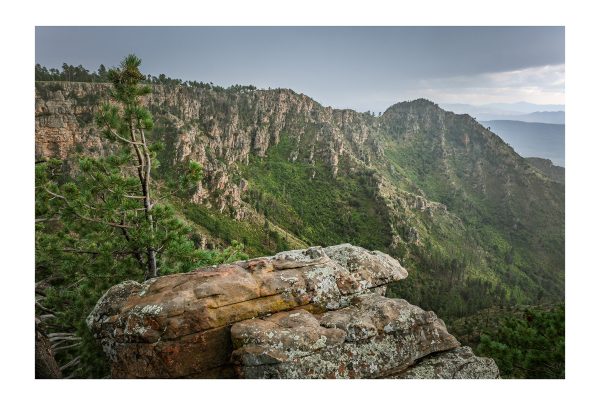
However, its environment tends to be sunny high elevation slopes over 6,000 feet above sea level, where pussytoes must weather summer heat, winter cold, intense sunlight, heavy snowfall, and everything in between.
Poisonous to mule deer and cottontails, the plant avoids ingestion by mammals, but does provide food for butterfly larvae, serving as the nursery for raising the Ponderosa pine forest’s beautiful and important pollinators.
When you look down at this gritty little plant, it’s hard to imagine it serving such a vital role in the ecosystem. But if you’re ever hiking in the forests of Northern Arizona and enjoy the sight of a painted lady butterfly flitting from flower to flower, be sure to stop and thank the local pussytoes patch for its service.
That’s it for today’s surprising Daily Dose. Happy Friday everyone!
-Jake
Sign up to get the Daily Dose of the Southwest delivered directly to your email inbox every weekday.



Interesting narrative!